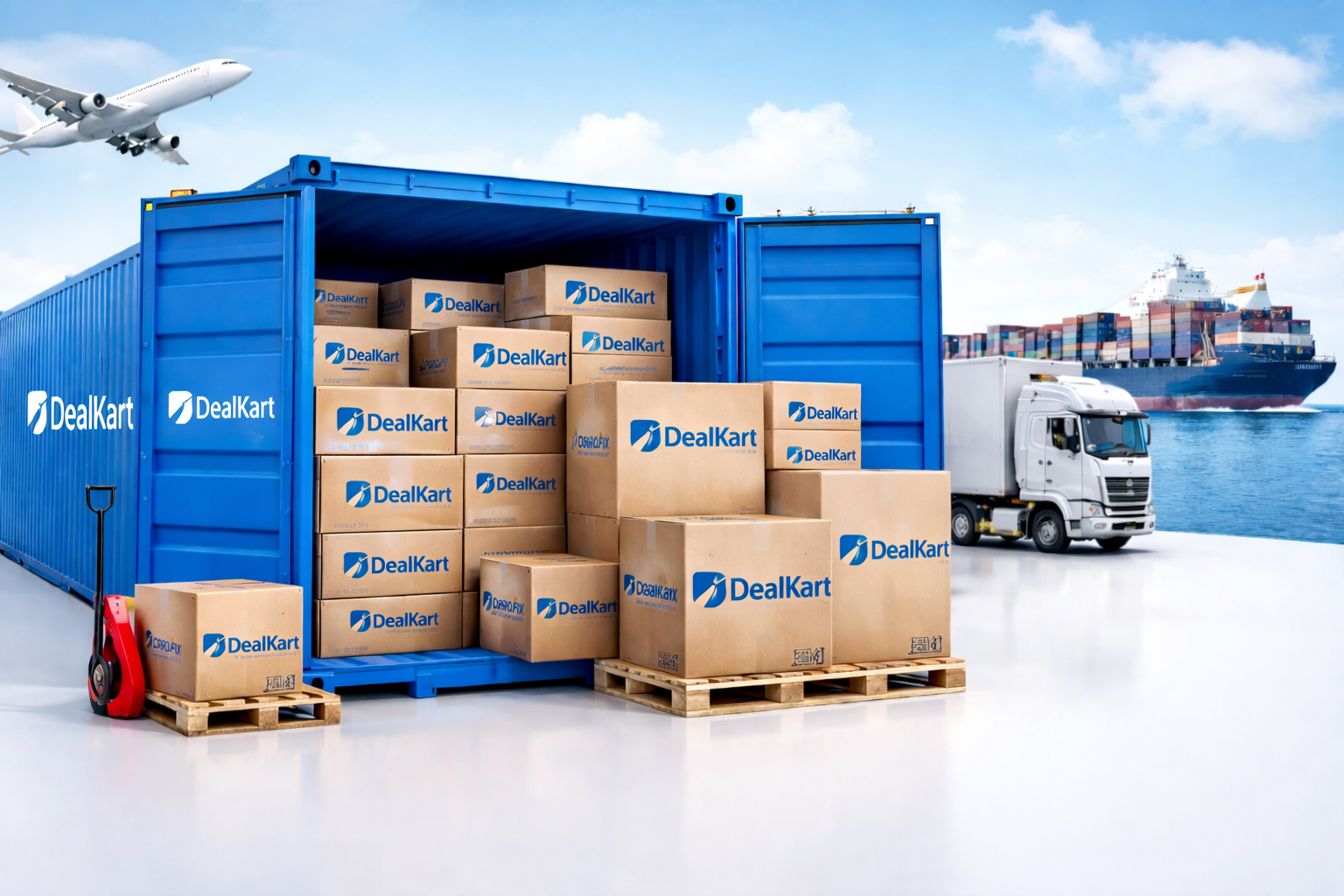
Selecting the right global supplier is one of the most critical decisions in international trade. A reliable supplier directly impacts product quality, pricing stability, delivery timelines, and overall business reputation. Making the wrong choice can lead to delays, financial losses, and damaged customer trust.
Here’s a structured approach to choosing the right supplier for your business.
1️⃣ Verify Supplier Credentials
Before entering into any agreement, evaluate the supplier’s background:
-
Business registration and legal status
-
Export licenses and certifications
-
Industry experience
-
Production capacity
Request company profiles, compliance documents, and references to confirm legitimacy.
2️⃣ Evaluate Product Quality Standards
Product quality should align with your market requirements. Check:
-
Quality certifications (if applicable)
-
Packaging standards
-
Labeling compliance
-
Sample consistency
Request product samples before placing large orders to assess quality firsthand.
3️⃣ Assess Pricing Transparency
Competitive pricing is important — but transparency matters more. Ensure the quotation clearly outlines:
-
Product cost
-
Packaging details
-
Shipping estimates
-
Documentation fees
-
Payment terms
Hidden charges can affect profitability, so clarity is essential.
4️⃣ Analyze Production & Delivery Capacity
A supplier must be able to handle your required volume consistently. Ask about:
-
Monthly production capacity
-
Lead times
-
Scalability for future growth
-
Backup supply arrangements
Reliable delivery timelines are critical for inventory planning.
5️⃣ Review Communication & Responsiveness
Efficient communication prevents misunderstandings in international trade. Evaluate:
-
Response time
-
Clarity in documentation
-
Willingness to answer technical questions
-
Professional handling of negotiations
Strong communication builds long-term trust.
6️⃣ Check Logistics & Export Experience
Suppliers experienced in international trade understand:
-
Export documentation
-
Customs requirements
-
Freight coordination
-
International packaging standards
Inexperienced exporters may cause shipment delays and compliance issues.
7️⃣ Conduct Risk Assessment
Consider potential risks such as:
-
Market fluctuations
-
Political or regulatory instability
-
Currency changes
-
Dependency on a single supplier
Diversifying supplier sources reduces long-term risk.
Why Partnering with a Sourcing Company Helps
Managing supplier verification independently can be time-consuming and risky. Partnering with a global sourcing company like Dealkart simplifies the process by:
-
Working with vetted manufacturers
-
Negotiating competitive pricing
-
Managing documentation and compliance
-
Coordinating end-to-end logistics
This reduces risk and improves operational efficiency.
