When importing goods internationally, choosing the right shipping method is critical for cost efficiency, delivery timelines, and cargo safety. Two of the most common ocean freight options are Full Container Load (FCL) and Less than Container Load (LCL). Understanding the difference helps businesses optimize their logistics strategy.
What is FCL (Full Container Load)?
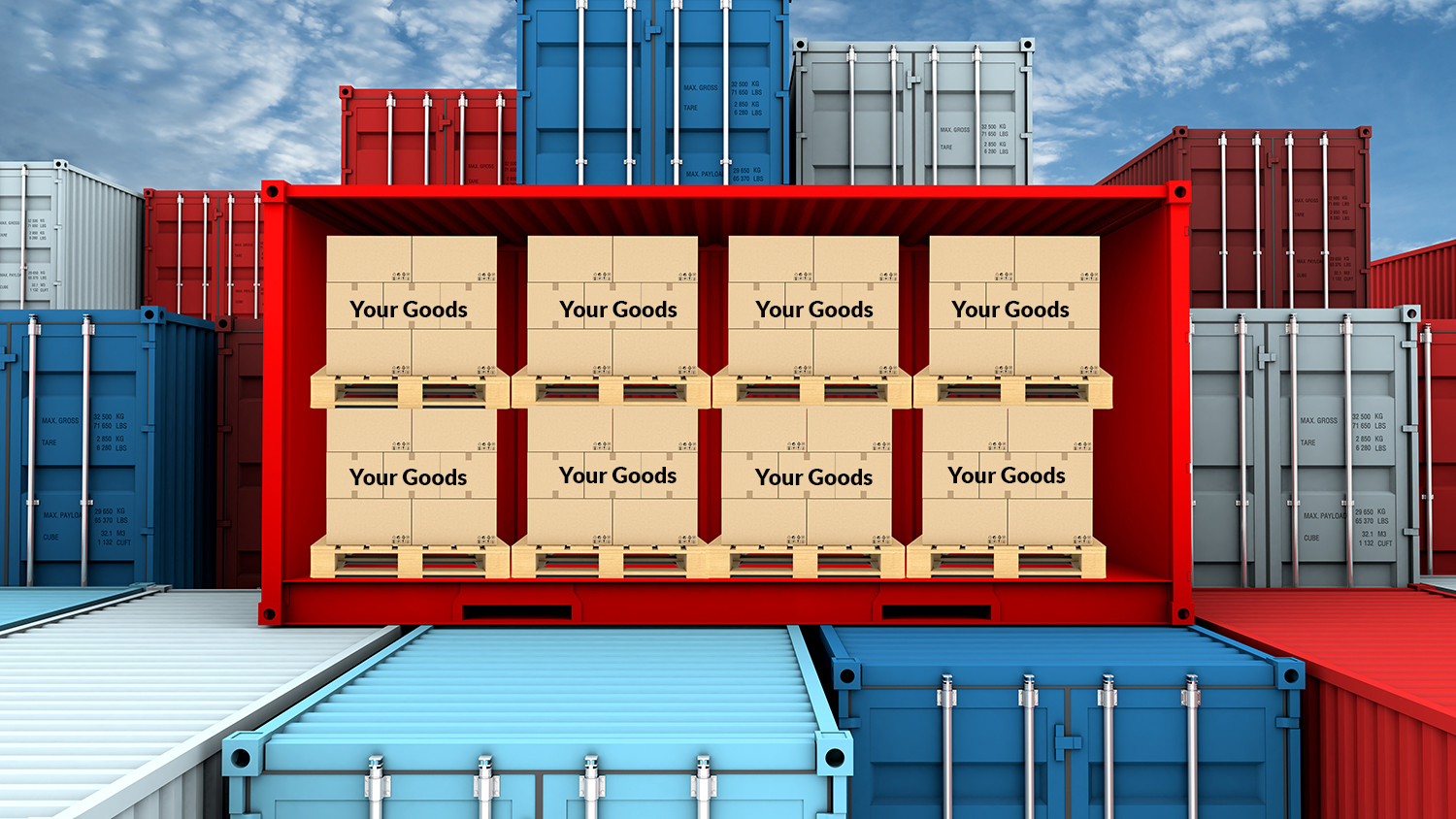
FCL means your goods occupy an entire shipping container. The container is sealed at the origin and opened only at the destination.
✅ When to Choose FCL:
-
You have large shipment volumes
-
You require faster transit with fewer handling points
-
You want lower cost per unit for bulk goods
-
You need reduced risk of cargo damage or contamination
✅ Advantages of FCL:
-
Better cost efficiency for high-volume orders
-
Reduced cargo handling
-
Lower risk of delays caused by cargo consolidation
-
More control over container space
FCL is ideal for wholesalers, distributors, and businesses importing bulk products regularly.
What is LCL (Less than Container Load)?
LCL is used when your shipment does not fill an entire container. Your goods are consolidated with other shipments in the same container.
✅ When to Choose LCL:
-
You have smaller order quantities
-
You are testing a new product or supplier
-
You want to avoid high upfront freight costs
✅ Advantages of LCL:
-
Lower shipping cost for smaller loads
-
Flexible for startups and small businesses
-
No need to wait until you fill a full container
However, LCL may involve slightly longer transit times due to cargo consolidation and deconsolidation processes.
Key Differences Between FCL and LCL
| Factor | FCL | LCL |
|---|---|---|
| Container Usage | Full container | Shared container |
| Cost Efficiency | Better for large volumes | Better for small volumes |
| Transit Time | Generally faster | May take longer |
| Cargo Handling | Minimal handling | More handling points |
| Risk Level | Lower | Slightly higher |
Which Option is Right for Your Business?
The right choice depends on:
-
Order volume
-
Budget
-
Urgency of delivery
-
Storage capacity
-
Risk tolerance
If you import regularly in bulk, FCL usually offers better long-term cost efficiency. If you’re starting small or testing new markets, LCL provides flexibility with lower financial commitment.
How Dealkart Supports Your Shipping Needs
At Dealkart, we help businesses evaluate shipment size, cost structure, and delivery timelines to choose the most efficient freight option. Whether FCL or LCL, we coordinate freight booking, documentation, customs support, and shipment tracking to ensure smooth international trade operations.
